
Food security and peacebuilding in Benue & Plateau
I led the Enhancing Food Security and Peacebuilding in Nigeria through Strategic Planning project, developing state-specific food security plans for Benue and Plateau for 2026–2031.
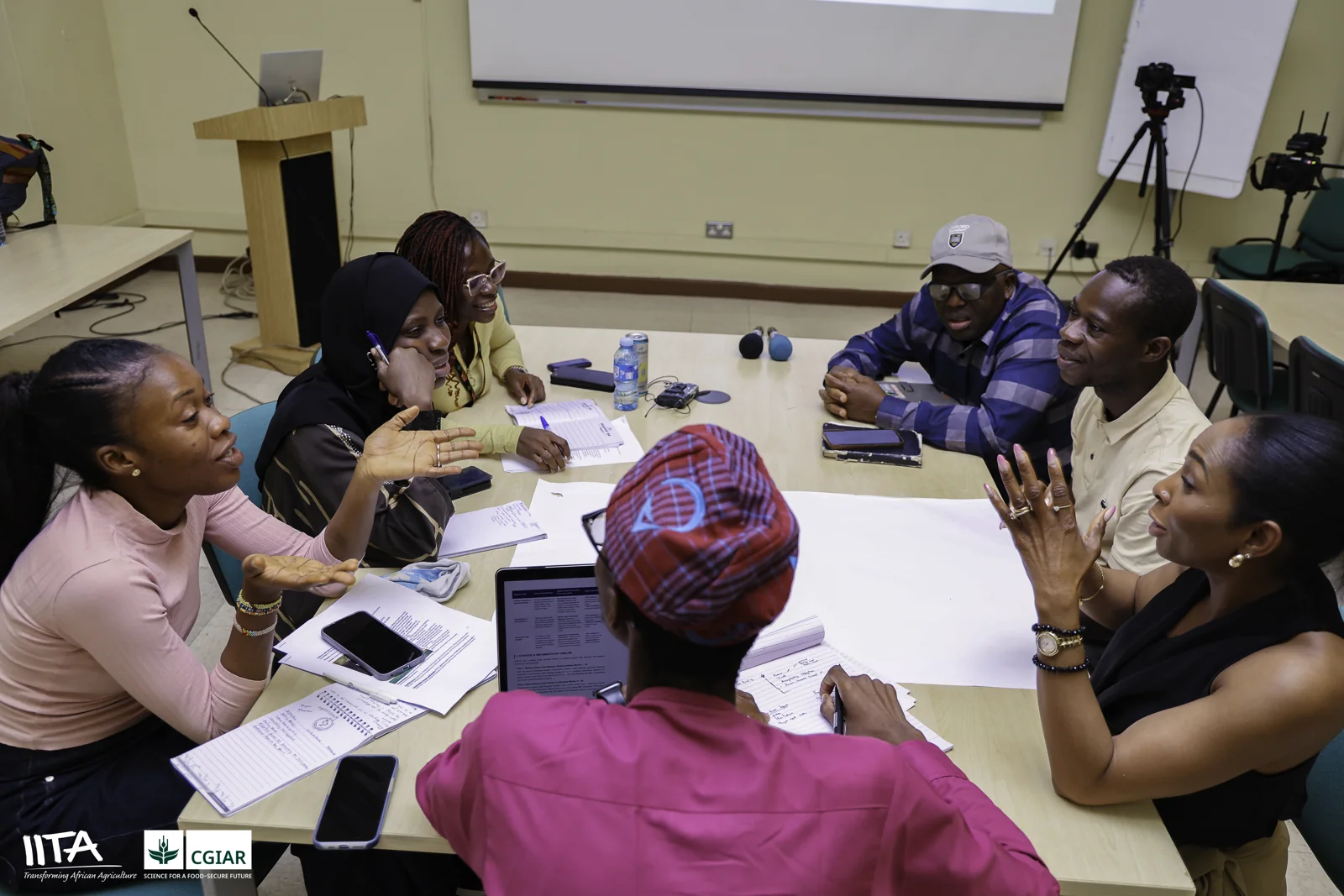
Leading the work
Through the Supply Chain Research and Innovation Hub (SCRIH), I co-led the policy team with Dr Shalem Shiekuma. My leadership covered policy review, institutional analysis, stakeholder engagement and the development of the two strategic plans. Both plans acknowledge our leadership of the writing team.
The assignment connected federal agricultural policy with the realities of conflict-affected communities, working with state technical groups and local stakeholders in Agatu, Logo and Gwer West in Benue, and Mangu, Pankshin and Shendam in Plateau. It was supported by the UK Foreign, Commonwealth and Development Office through SPRiNG, implemented by Tetra Tech International Development.
The policy problem
Agricultural potential does not guarantee household food security when insecurity prevents cultivation, displacement breaks livelihoods, land disputes persist and markets become costly to reach. The plans bring food systems and peacebuilding into one policy framework, connecting production recovery with land governance, inclusive livelihoods and accountable institutions.
What the plans set out to change
Safe production and market access
Coordinate agricultural recovery with security, restore disrupted trade routes and improve the infrastructure linking producers to markets.
Land access and conflict resolution
Provide structured mediation and supervised arrangements for displaced or abandoned farmland while protecting ownership rights.
Post-harvest systems and livelihoods
Strengthen storage, aggregation, processing and market participation, with deliberate inclusion of women, young people, displaced households and persons with disabilities.
Institutions, finance and accountability
Define state and local coordination structures, technical secretariats, financing arrangements, performance indicators and review mechanisms.
Two states, distinct priorities
Benue: The framework links agricultural stabilisation and farmer return with land mediation, production recovery, secure logistics and an early-warning system connecting conflict and food-market information.
Plateau: The plan responds to differences in conflict exposure and market access across localities. It combines agricultural recovery, post-harvest support, household resilience, community resource governance and state-to-local coordination.
Government ownership and public evidence
Benue — government endorsement
PUNCH reported on 3 August 2026 that the Benue State Government endorsed the strategic plan, called for ownership across government and communities, and committed to implementation and scheduled reviews. The report also identifies the SCRIH policy team led by me and Dr Shiekuma.
Read the Benue endorsement reportPlateau — government commitment in the plan
The Plateau plan includes a signed statement by the Commissioner for Agriculture and Rural Development, Samson Ishaku Bugama, committing the ministry to execution, institutional dispute resolution, productive land access and public reporting.
Related reporting describes SPRiNG’s wider Plateau scale-up and institutional integration.
Read related Plateau programme coverageFrom plans to implementation
The project delivered strategic frameworks with institutional responsibilities, financing proposals and monitoring arrangements. Their targets describe intended changes over 2026–2031. Reductions in hunger, conflict and post-harvest losses require implementation and subsequent evaluation.